With the rapid development of the Internet, the management and application of IP addresses have become particularly important. As an international financial center, Hong Kong's use of native IP segments plays a key role in network technology and business activities. This article will analyze the IP segments and their applications starting with native IP in Hong Kong in detail, providing valuable information to enterprises and individual users.
What is a native IP and its importance
Native IP refers to IP addresses assigned by Internet registry, which are usually used in a specific region or country. A native IP segment in Hong Kong refers to an IP address starting with a specific number, which are used locally in Hong Kong. The use of native IP has a significant impact on network performance, data transmission speed, and security. Understanding the characteristics of these IP segments will help enterprises optimize their network architecture and improve user experience.
Distribution of native IP segments in Hong Kong
The native IP segments in Hong Kong are allocated and managed by the Asia-Pacific Network Information Center (APNIC). Common native IP addresses in Hong Kong start with "58.96", "60.199", etc. With the increase of Internet users, Hong Kong's IP addresses are also constantly expanding and adjusting. When selecting IP segments, each enterprise should pay attention to its allocation to ensure the stability and security of its network.
Application scenarios of native IP in Hong Kong
Hong Kong native IP has a wide range of applications in many fields, especially in industries such as finance, trade and network services. First of all, financial institutions often use native IP to conduct secure online transactions to ensure the security of user information. Secondly, e-commerce platforms also use Hong Kong native IP to improve website access speed and improve users' shopping experience. In addition, with the development of cloud computing, more and more enterprises choose to deploy their cloud services in Hong Kong to take advantage of the native IP.
How to choose a suitable Hong Kong native IP segment
Choosing a suitable Hong Kong native IP segment is an important part of enterprise network deployment. Enterprises should consider the following factors: First, they should select the appropriate IP segment according to their business needs, such as high-traffic websites that require more stable IP segments. Secondly, enterprises should also pay attention to the reputation and technical support of the network service provider to ensure that they can obtain timely help and services during use. Finally, considering future expansion needs, choosing scalable IP segments will help the long-term development of the enterprise.
Security analysis of native IP segment in Hong Kong
Today, when network security is increasingly valued, the security of Hong Kong native IP cannot be ignored. Due to Hong Kong's geographical location and internationalization, cyber attacks and data breaches occur frequently. Therefore, enterprises should take necessary security measures, such as the use of firewalls, intrusion detection systems, and regular security audits to protect the security of their native IP. In addition, choosing a reputable network service provider is also an important guarantee for improving security.
Future Trends: Evolution of Native IP in Hong Kong
With the continuous advancement of technology, the use and management of native IP segments in Hong Kong are also changing. The promotion of IPv6 has greatly increased the number of IP addresses, and Hong Kong's network infrastructure is also constantly upgrading. In the future, when choosing an IP segment, enterprises should not only pay attention to traditional IPv4 addresses, but also gradually adapt to IPv6 applications. At the same time, network security and data privacy will become important factors that enterprises must consider when using native IP.
Summary and suggestions
IP segments starting with native IP in Hong Kong play an important role in network applications. When selecting and using these IP segments, enterprises should fully consider their security, performance and scalability. It is recommended that enterprises regularly evaluate the use of their IP addresses and maintain good communication with network service providers to ensure the stability and security of the network. At the same time, with the continuous development of technology, enterprises should actively explore the application of new technologies to enhance the competitiveness of the network.

- Latest articles
- Popular tags
-
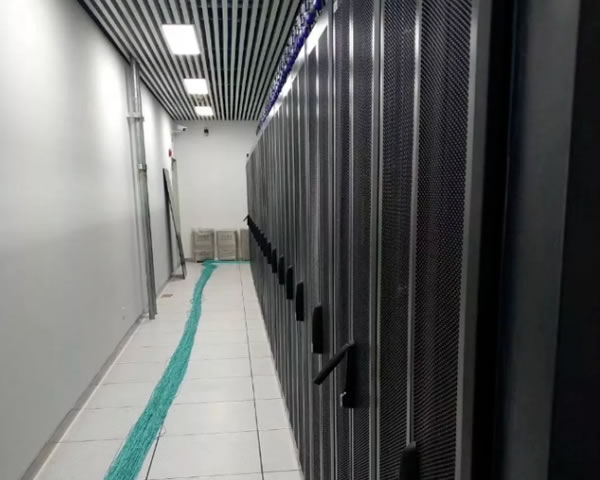
Common Mistakes And Recommendations In Server Design For Hong Kong Data Centers When Deploying Enterprise Applications
This article analyzes common pitfalls in the design of server facilities for enterprise applications in Hong Kong, covering aspects such as site selection, networking, redundancy, power supply, cooling, security, and operations and maintenance. It also provides practical recommendations to help improve availability and compliance. -

How To Choose The Most Suitable Server Configuration For Hong Kong Site Group
How to choose the most suitable Hong Kong site group server configuration, this article will discuss in detail the key elements and techniques for selecting a site group server. -

How To Use Hong Kong CN2 Free CDN To Improve Website Access Speed
This article introduces how to use the Hong Kong CN2 free CDN to improve website access speed, help optimize website performance, and enhance user experience.